Panorama Medical Center provides Blepharoplasty treatments to remove excess eyelid skin and fat, brightening and refreshing the eye area.
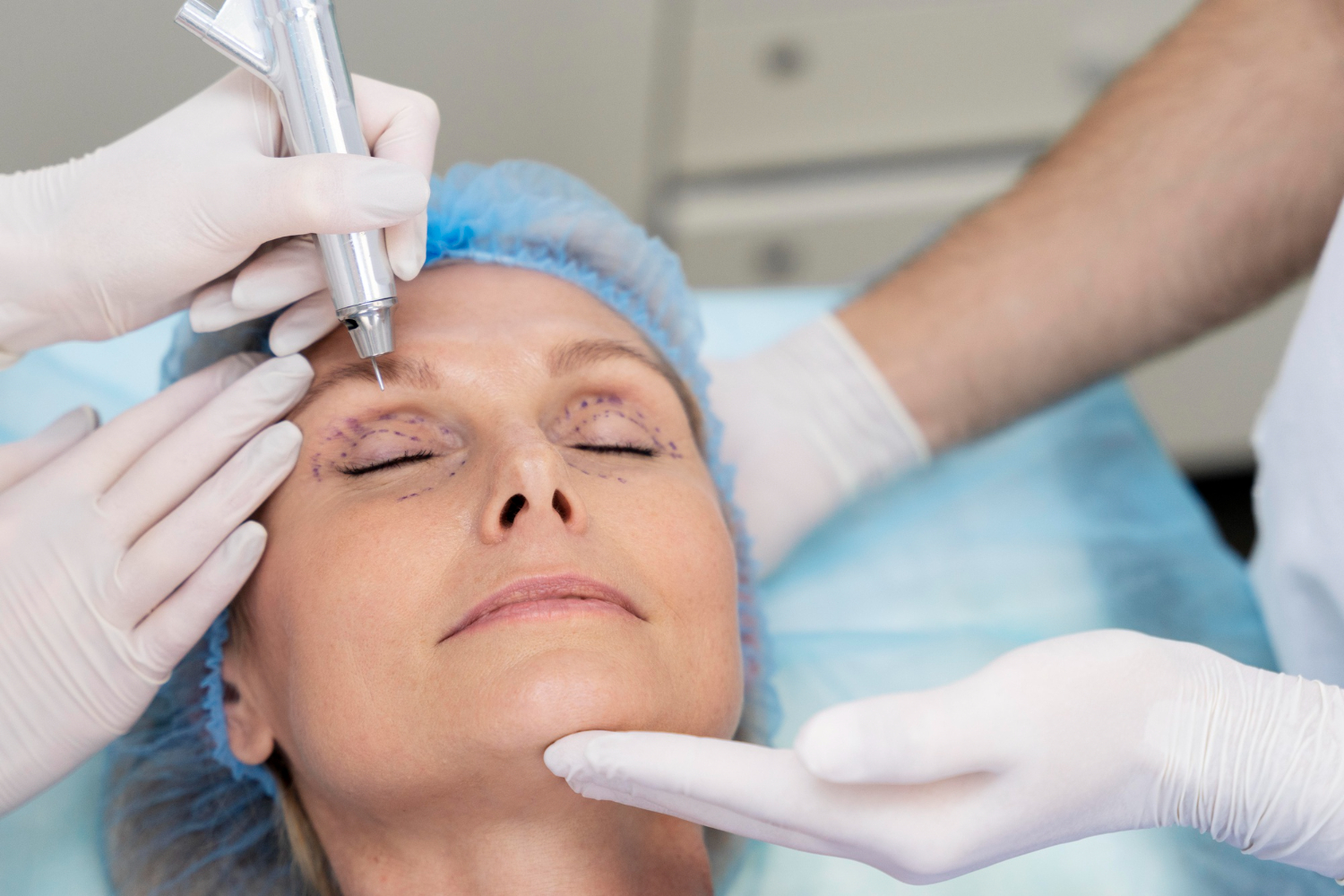
Blepharoplasty, also known as eyelid surgery, can address these concerns and improve the appearance of your eyes. Here’s what it can do:
How does blepharoplasty work?
What blepharoplasty can’t do:
Considering blepharoplasty?
Blepharoplasty can be a way to achieve a brighter, more youthful appearance around your eyes. However, it’s important to have realistic expectations and consult with a qualified professional.
The best candidates for blepharoplasty surgery are generally people at least 30 years old who are in good health and have no other eye conditions. Tell your healthcare provider if you have any of the following conditions:
A surgeon can typically complete an upper blepharoplasty in about 45 minutes to one hour. It takes about two hours if both upper and lower eyelids are done at the same time, depending on whether fat is repositioned or if there’s additional work performed.
There will be a stitch in each of your upper lids that’ll remain for about a week. The lower lids don’t require stitches if the incisions are made on the inside of your lids. It’s common for swelling and bruising to occur in your upper and lower lids. Expect to stay home from work and limit your activities for several days after surgery to allow your eyelids to heal.
As with any surgical procedure, there’s some degree of risk. Complications and bad results from blepharoplasty are rare, but sometimes they do occur. Problems that can occur include:
Get medical care tips without leaving your couch! Subscribe to our newsletter.
Panorama Medical Centre (PMC) was first established in August 2016 with dentistry service as the solo service provided.

Use this feature to chat with our agent.